
Gro-e youth
Scheme
OBJECTIVES
One of IDC’s objectives, through the GRO-E Youth Scheme, is to encourage youth entrepreneurship and employment creation, thereby growing South Africa’s economy.

YOUTH PIPELINE DEVELOPMENT PROGRAMME |


YOUTH PIPELINE DEVELOPMENT PROGRAMME |


Nov 07, 2025

It is no secret that education and funding are the top priorities for entrepreneurs. To equip South African businesses with both, for a limited time, we are launching the Digital Growth Initiative, which offers three free programs related to digital marketing and ads optimization training, ad credits, and grant opportunities. We will accept applications from eligible South African online platforms, such as certain e-commerce or travel and booking websites, application developers, and online businesses.
Training in advanced digital marketing
Digital marketing is a rapidly developing sphere where online businesses need on-going up-skilling. The new Ads Academy, hosted with Upskill, will support this continuing education and is a bootcamp style training focused on ads optimization and digital marketing for eligible online platforms, mobile app developers, and online businesses. The curriculums focus on platform and app marketing strategies and business growth techniques and it is accompanied with personalised mentorship to help businesses implement effective campaigns and improve market performance . Experienced industry experts will share practical insights on business growth and technical skills development, while industry leaders will share real-world success stories and teach innovative approaches. Participants will be encouraged to immediately apply the key concepts they learn through interactive learning formats, including with the use of Google Ads credits.
Providing Ad Credits to enhance a business's digital presence
The newly available Ad Credits Program is aimed at boosting innovation in South Africa's digital ecosystem. By giving businesses credits that they can use to advertise their businesses, the program will help businesses boost their ability to reach specific audiences, expand into new markets and compete more effectively. This will also free up funds for the participants to invest in other growth needs, such as product innovation and team development. Credits can be used on ad formats, such as Search Text Ads and Universal App Campaigns, to boost user acquisition and brand exposure.
Allocating Grants to support growth
Sometimes it’s the small things, such as getting a new laptop, registering with an industry body, or buying a software subscription, that can make a big difference. We are launching Grant Opportunities, administered by Thundafund, so that South African businesses can make strategic investments to unlock new revenue streams, improve service delivery, and increase competitiveness.
To learn more about the programs, eligibility criteria, terms and timings and apply please visit the website.
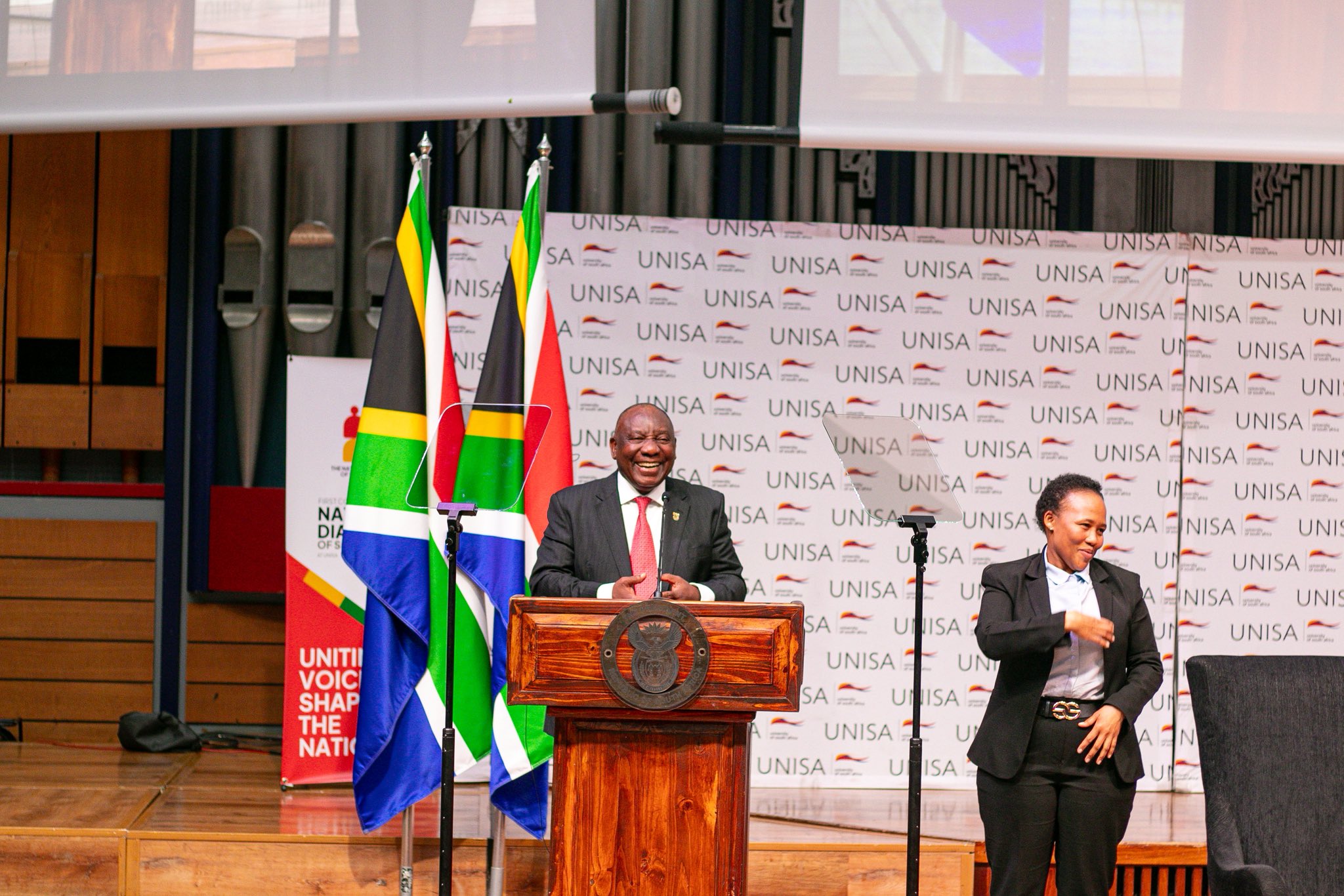
“This grant offers young South Africans a real opportunity to kickstart a business or access training. We encourage early preparation and vigilance against fraud.”

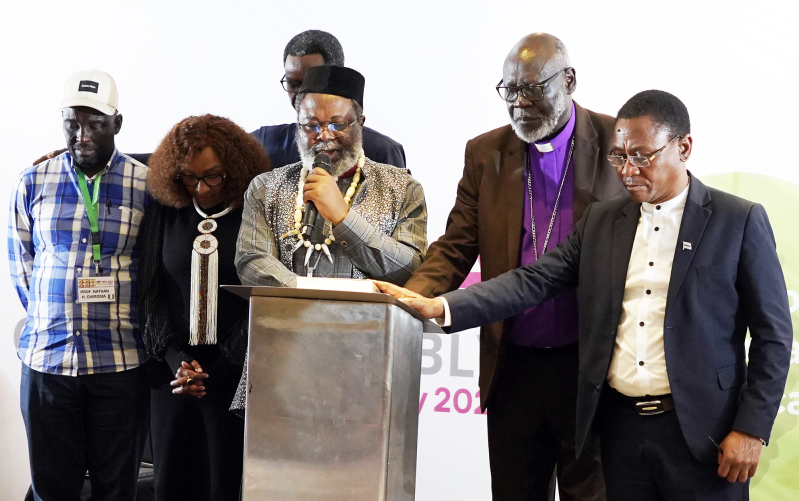


KNYSNA NEWS - The minister of Small Business Development, Stella Ndabeni, led a delegation of senior officials from the Knysna Municipality and Garden Route District Municipality to hand over machinery and equipment to micro and informal traders in Khayalethu on Tuesday 10 June.
This was part of the department's informal and micro enterprises development programme, which was specially designed to empower and develop informal traders to become skilled and adequately equipped to manage their businesses.
The Small Enterprise Development and Finance Agency (Sedfa) Knysna facilitated the process of the beneficiaries applying for the equipment.
The venue was fully packed by small business owners who came to obtain their equipment, while others came to listen to advice from the minister on how to develop their businesses.
Ndabeni advised them of many opportunities that her department has for them. "As small businesses, you must start forming corporations, work together and share ideas. When you work together, you can do more.
"We will support you, as you can see the equipment we have brought here. This is free of charge and you don't have to pay.
"But we need to see there is something you are trying to achieve, but are struggling because of having no resources. Business opportunities are grabbed by people from other countries. You have to think out of the box. We are always open to supporting small businesses."
She advised that people can start businesses by collecting discarded items that can be used and recycled. "You must see an opportunity to make a business when you see rubbish."
Cussidy Morrison, one the beneficiaries, the owner of Stoned Clothing Brand, said she is does her own designs. She received a laptop and a heat press machine. "It's awesome that I have received these two pieces of equipment and that they are going to help me with my business. I want to thank you for this as this will develop my business."
Yandiswa Magqibisa came to collect some equipment on behalf of her sister, Zukiswa. Zukiswa does grass cutting and maintenance on the N2. "She received two grass cutting machines. On behalf of my sister, I would like to thank Sedfa, the Knysna Municipality and the national department for doing this."Mayor Thando Matika expressed his gratitude for these donations. He said he was happy that the venue was full and people who had come out in their numbers even though they were not all beneficiaries. He said that they had come to listen to what was being shared was a positive sign.
‘We bring you the latest Garden Route, Hessequa, Karoo news’
SOURCE:


Government has called on eligible South African
spaza shop owners in townships and rural areas who want to improve,
expand, and sustain their shops to apply for assistance with the R500
million Spaza Shop Support Fund (SSSF).
This as government
officially opened applications for the fund aimed at increasing the
participation of South African owned spaza shops in the townships and
rural areas retail trade sector.
READ | Government empowers spaza shops
What the support fund seeks to achieve:
• It
provides funding, training, business skills development, and technical
support to help businesses compete effectively against larger retailers.
• Offers funding of up to R300 000 per shop through a combination of grants and low-interest loans.
• Assists shop owners in meeting hygiene and regulatory standards to ensure the provision of safe, high-quality products.
• Encourage
the adoption of digital payment systems, inventory management tools,
and financial literacy programs to improve operational efficiency.
• Facilitate wholesale aggregation, allowing spaza shops to access bulk purchasing advantages and competitive pricing.
What you need to qualify:
• The owner of the spaza shop must be a South African citizen or naturalised as a South African citizen prior to 1994.
• Spaza shops must operate within South Africa in rural and township areas and serve local communities.
• The
spaza shop must be registered with the local municipality in accordance
with the relevant by-laws and business licensing requirements.
• Registration
with the Companies and Intellectual Property Commission (CIPC) will be
optional based on the enterprise’s funding requirement. For enterprises
receiving funding above R80 000 registration with CIPC will be required
within a period of 6 months.
• The business must have a valid
registration with the South African Revenue Service (SARS) or
alternatively be allowed a six-month transitional period.
• The
spaza shop must comply with all other relevant legislative and
registration requirements necessary for its operation. (e.g. food
preparation and health and safety standards)
• The owner must actively manage the spaza shop.
• Funding
will prioritise entrepreneurs aged 18-35; female-owned spaza shops will
receive priority consideration and businesses owned by individuals with
disabilities will be given priority.
What does the support package for funding of up to R100 000 entail:
• It includes a stock (grant) of a maximum of R40 000 for the initial purchase of stock via delivery channel partners.
• Assets
and infrastructure (blended grant and loan): a maximum R50 000 for the
upgrading of building infrastructure, systems, refrigeration, shelving
and security.
• A maximum of R100 000 for training programmes that
will include point of sale devices, business skills, digital literacy,
credit health, food safety and business compliance.
What does the support package for funding of above R100 000 up to R300 000 for registered and compliant entities entail:
• It includes a stock (grant) of a maximum of R40 000 for the initial purchase of stock via delivery channel partners.
• A
maximum of R250 000 for a funding split, 50% of the funding will be
provided as a grant, and 50% will be provided as a free-interest loan.
• A
maximum of R100 000 for training programmes that will include point of
sale devices, business skills, digital literacy, credit health, food
safety and business compliance.
• The fund will be jointly
administered by the National Empowerment Fund (NEF) and the Small
Enterprise Development Finance Agency (SEFDA).
• In order to
access the funding, applicants need to apply to the NEF and SEDFA
through the prescribed application process outlined on the relevant
institution's website.
The following websites can be used to apply for funding:
• Spaza Shop Support Fund - www.spazashopfund.co.za
• NEF - www.nefcorp.co.za
• SEDFA - https://systems.sefa.org.za/SMMEPortal/
• Create an account on https://systemsnew.sefa.org.za/SMMEPortal/
• Fill up all the required information on the registration page, read and accept the terms and cconditions and submit.
The contact details for the Spaza Shop Support Fund Call Centre are 011 305 8080 or via email: Spazafund@nefcorp.co.za
Contact
details for the NEF Call Centre are 0861 843633, SEDFA Call Centre 012
748 9600 or an email can be sent to helpline@sefa.org.za.
Working hours: Mon – Fri: 9 am – 10 pm ; Sat: 9 am – 3 pm and Sunday: closed.
-SAnews.gov.za



These Business grants for African Entrepreneurs are offered to individuals, firms/company, business or corporations to enable them cover scale up or develop their business, pay workers salaries, and run ads. Among the 20 Business Grants for African Entrepreneurs and Startups are listed:
SeedStars World is one of the business grants offered to entrepreneurs from Africa. Seedstars Africa is an organization active offering SME grants in over 53 countries in the world, especially regions like Africa, Asia, Middle East and South America.
To access business grants from Seedstars, you will need to apply for the annually offered Business grant competition, a competitive grants for young business owners and emerging markets.
These business grants for entrepreneurs from Africa help to identify promising business owners, organizations and companies in the very need of capital.
Target/Audience
Support Entrepreneurs who have a business in any African country.
To build and support online businesses in Africa.
To fund web and mobile tech startups in Africa.
This business grants for Africans is lending support to basically young entrepreneurs in Africa. Shared Interest was established in 1990 with the aim of financing artisans, farmers and food producers in developing countreis as lending society founded situated in England.
Shard Interest has a very large investment and satellite offices in major African countries lik Ghana, Kenya, Costa Rica, Peru and some Eastern Africa countries. Having members investing about $1,000 from over 9,000 investors has help provide a shared capital to support entrepreneurs in Africa with grants.
Target/Audience
To support Entrepreneurs in Africa from developing countries.
Provided SME grants to make finance available to business owners such as food producers, farmers, artisians.
The Tony Elumelu Entrepreneurship Grant is offered by the Tony Elumelu Foundation (TEF) to provide 10,000 aspiring African Entrepreneurs an opportunity to benefit from $100 million grant to create 1,000,000 jobs and contribute $10 billion in annual revenues to Africa’s economy over the next 10 years
The Tony Elumelu Foundation Entrepreneurship grants Programme (TEEP), a Pan-African entrepreneurship initiative of the Tony Elumelu Foundation founded by a Nigerian billionare investor is a multi-year programme of training, funding, and mentoring, designed to empower the next generation of African entrepreneurs.
Target/Audience
Provide finance to aspiring African entrepreneurs
Offer $100 million grant to create 1,000,000 jobs and contribute $10 billion in annual revenues to Africa’s economy.
African entrepreneurs who are business owners or startups with achievable innovative ideas.
Tshikululu Social Investments provides wide range of social investment and business grants to Entreneurs residing in Africa. The provider is a South African Corporate Social Investment (CSI) manager responsible for dispensing SME Grants to Africans.
Tshikululu Social Investments over the years is managing CSI funds of different organizations like Rand Merchant Bank Fund, De Beers Fund, and many others.
Target/Audience
To support entrepreneurs in Africa with SME grants.
Provide Business grants to wide range of business owners, companies ranging from community support and growth, arts and culture, healths, medical assistance, health care e.t.c
The Lundin Foundation is one organization offering business grants. established by the Swedish family by name Lundin in the year 2005 to offer Entrepreneurs in African countreis business grants.
Lundin Foundation has it’s headquarters situated in Canada, but operate branches in these African countries- Ghana and Kenya.
Several business owners and entrepreneurs across Africa has reeived this business grants offerd by Lundin Foundation.
Target/Audience
Provide financial support to already established business, organizations around the world
Provide business grants, risk capital and mentorship to business owners, companies across Africa.
The Root Capital offer Business grants to empower entrepreneurs, businesses in Africa. Root Capital is a non-profit investment fund established in 1991 to positively provide funds and impact businesses, families in rural communities and bridge social interaction with business owners.
Over 450 businesses have receive grants worth $million dollars within the years of business grants offered. However, the policies has it a 100% payback for the Root Capital investors.
Target/Audience
Bridge business grant gap and promote rural development with business capital
Provide business training and sourcing funds options to strengthen small and medium sized businesses.
Connect to agricultural business and deliver financial training including funds to strengthen and grow businesses in Africa.
The African Leadership Academy’s Anzisha Prize provide young innovative African entrepreneurs with business grants if you are a founder of an established business venture.
Not only will you get business grants but leadership and entrepreneurial training for young Africans between age of 15 to 22 years.
This is a perfect business grants for young innovative entrepreneurs in Africa be it any venture, business, and project.
Target/Audience
To provide business grants to young innovative African entrepreneurs
Business mentorship for business owners of age 15 to 22 years.
In order to advance social entrepreneurs in across the globe, Schwab Foundation continually seek for business owners who are social entrepreneurs in different areas such as agribusiness, tech, health, education.
The Schwab Foundation was established in 1998 as a social entrepreneurship firm situated in Geneva, Switzerland to provide business grants across Africa region with rigorous selection stages which upon selection you will receive the business grant.
Target/Audience
Provide grants to social entrepreneurs in areas such as education, agribusiness, health, technology e.t.c
Basically, fund social entrepreneurs after intensive screening with the business grants.
Are you a young tech entrepreneur emerging in the tech industries? MEST Africa Challenge offers annual Africa wide-pitch competition with business fund of $50,000 in equity investment for startups.
MEST Africa Challenge is a great business grants for entrepreneurs who are in tech business based in any of the country-Côte d’Ivoire, Ethiopia, Ghana, Kenya, Nigeria, Rwanda, Sénégal, South Africa and Tanzania. The challenge is a unique search for African tech entrepreneurs and focus on giving them coaching, business capital, wide networking with other entrepreneurs, startup.
Target/Audience
To support African entrepreneurs with business investment capital.
Provide business grants to young emerging technology entrepreneurs in Africa.
The Savannah fund is also another fantastic option, as it provides startpus, business grants to African entrepreneurs. Savanah fund have over time generated a revenue mor than $8million as it focusess on nursery stage high growing technology entrepreneurs and startups in Africa.
Since it has been assisting entrepreneurs with business grants. It has records of support to African entrepreneurs from Kenya, Nigeria, Ghana, South Africa and other neighbourhood countries.
Target/Audience
To strongly bridge the business funding gap between ventures capital investments and early startups and entrepreneurs in Africa.
This business grants is offered annually to female entrepreneurs between the age of 18-35 and have already business that need funding in Nigeria.
The She Leads Africa Accelerator prize will raise your profile, have access to Nigeria funding, best business minds in the country and an opportunity for investement in your business.
The program duration is 6 months with a N2Million in investment capital to entrepreneurs who are females.
Target/Audience
To provide investment capital of N2million
To give female entrepreneurs between age of 18 to 35 with existing business based in Nigeria, business fund, media coverage to boost profile.
A US$5 000 business grant as prize for winner while $1 000 grand prize for finalists. Miss Africa Seed funding supports tech business owned by African entrepreneurs who are women/girls.
The Business grants for African entrepreneurs is an initiative organized by DCA Academy offeering funding as support to females in science related fields.
If you are current resident of any African country with demonstrated leadership potential as company representaive or social enterprise situated in Africa. Then consider this grants are it’s support STEM fields and related subjects.
Target/Audience
To provide grants to support wowen and girls who demonstrate leadership qualities.
Females in STEM fields and related subjects with US$5 000 business grant as prize for winner while $1 000 grand prize for finalists.
The Young African Leadership Initiative (YALI) was launched to support African entrepreneurs and invest in the future generation businesses in Africa.
Basically, civil leaders, entrepreneurs, and business owners receive grants including other benefits such as leadership training, creatitivity and innovation, effective communication as entrepreneur.
Target/Audience
To provide business grants
Support African entrepreneurs between age 18 to 35 years
Ashden International Awards for Entrepreneurs is one of the world’s biggest green energy business awards which provide innovative entreprises with the contribution of creating sustainable energy systems.
The entrepreneurship grants is open to non-government organizations, social entreprises helping to build a low carbon society now for the future generations.
Business and social entreprises do receive $20, 000 and have to be based on United Nations list of eligible countries. African countries are on the list of eligibile countries so this give you a one privledge to consider this grant.
The business grants is provided by BMCE bank of African with a focus to provide a platform for mentorship. SME grants to entrepreneurs in Africa for smart business ideas.
African Entrepreneurship awards is another funding grants offered to African Entrepreneurs whose business are applicable to the African environment with social impact.
You can consider this business grant for Africans if you are a citizen of any African country and of age 18 years and above whose business fall into the categories of innovation & sports entrepreneurship, and sports entrepreneurship.
You can choose this business grant as it offers $1million to selected African entrepreneurs.
Small and medium sized business in Africa that are into manufactring,agribusiness, education, healthcare and basic key services such as energy, water, sanitation do receive business grants and supports such as financial loans.
GroFin Grants is a private financial institution with the aim of providing business and entreprises in Africa with medium term financial support. Ever since it was launched in 2004, it has provide business support to over 700 small and medium entreprise and helping to sustian jobs in some countries in Sub Saharan African and MENA regions.
Target/Audience
To provide financial support to business and entreprises in Africa
Offer financial loans to medium sized business in manufacturing, agribusiness, education, and healthcare.
The business grants is provided to support organizations that are women led or tackling issues of female rights, security, and justice.
African Women development funding is a pan African female grants that support any organization that strives to support women right and participation for peace.
The business must have been in existence upto 3 years, registered and located in African country, led by a woman and have structured organization board for effective project implementation.
Target/Audience
Provide funds to business/organization registered and situated in an African country
Offers fund to business/enterprise that are led by women and tackling women rights, security and justice in their country/region.
This business grants support innovative entrepreneurs tackling some world challenges, specifically the globe sustainability goals.
Unilever young entrepreneurs award can be the perfect grant for you if you a a social entrepreneur with impact and need supports as funds to scale your business, entrepises to a next level.
This business grants for African entrepreneurs have fund lots of businesses and reached a large number of young entrepeneurs through funding and support.
Target/Audience
To provide business grants to innovative young entrepreneurs
To support support social entrepreneurs with funds to scale business tacking world sustainability challenges.
Innovative prize is one of the grants for African entrepreneurs. The business grants is aimed to encourage an innovation driven solutions to the challenges in Africa.
Have an idea or solution to a critical challenge affecting Africa countries. Innovation prize for Africa is a platform to help you amplify your voice and innovative solution to the challenges faced.
So you need a funding, then apply for innovative prize for Africa, if you have a business idea or solution that is impactful to Africa.
Target/Audience
The award support an innovation driven ideas and business that solve challenges in Africa.
This program seeks to provide business grants to accelerate entrepreneurship that are female led organization. AWIE is among the entrepreneurship grant platforms that support and provide funding to innovative , creative female entrepreneurs across the African region.
Each year AWIE recognizes and support females in private non-profit businesses in Africa doing tremendous change and impacting the economic growth of Africa.
Target/Audience
To support women led organizations registered in any African country.
Award nominated female entrepreneurs in some award categories.
As entrepreneurs and startup, you can get business grants and fundings to support and scale up your entreprises if your business is registered and located in any Africa country. The above business grants for Africans entrepreneurs are the top grants avialable to entrepreneurs in African region.
Take advantage of this wide range of business grants and apply for the latest ongoing and opend business grants.

